Healthy Diet Tips
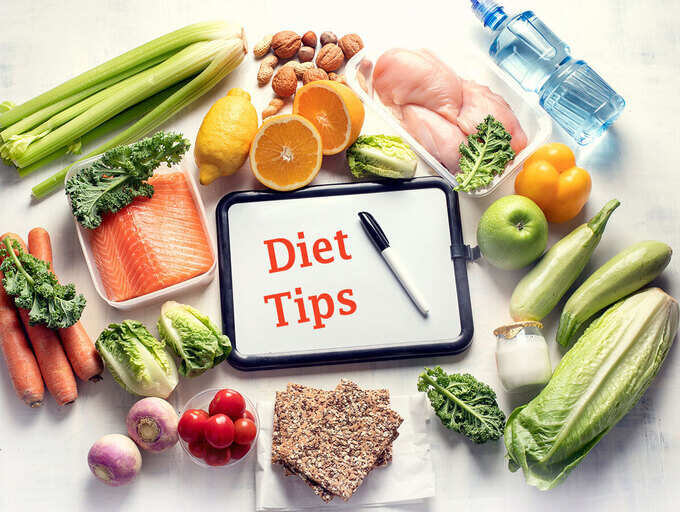
Embarrassed by all these conflicting dietary advice.These simple tips will show you how to plan, enjoy and stick to a healthy diet.
What is a healthy diet?
A healthy diet is not about imposing strict restrictions, unrealistically poor nutrition or depriving yourself of your favourite food. Rather, it is about feeling good, having more energy, improving your health and raising your spirits.
A healthy diet should not be overly complex. If you feel overwhelmed by conflicting diet and nutrition recommendations, you are not alone. It seems that for every specialist who tells you that a certain food is good for you, you will find someone else who will say the exact opposite. The truth is that while some specific foods or nutrients have been shown to have a positive effect on your mood, your total diet is the most important. The cornerstone of a healthy diet should be the replacement of processed foods with real ones. Eating foods that are as close as possible to how nature created them can make a huge difference to how you think, look and feel.
These simple tips will help you break through the confusion and learn how to create and maintain a delicious, varied and nutritious diet that is as good for your mind as it is for your body.
The Healthy Nutrition Pyramid
The Harvard Healthy Nutrition Pyramid is the latest development in nutrition science. The broadest part below is for the things that matter the most. The food at the narrow top is what you need to eat sparingly, if at all.
The basics of healthy eating
Although some extreme diets may suggest otherwise, to maintain a healthy body we all need a balanced ratio of proteins, fats, carbohydrates, fibre, vitamins and minerals in our diet. You don't need to exclude certain categories of food from your diet, but you need to choose from each category the most healthy options.
Protein gives you the energy you need to stand up and move on, while maintaining your mood and cognitive function. Too much protein can be harmful for people with kidney disease, but recent research shows that many of us need better protein, especially with age. This doesn't mean you need to eat more animal protein - a variety of plant protein sources every day can ensure that your body gets all the protein it needs.
Fat. All fats aren't equal. While bad fats can ruin your diet and increase the risk of certain diseases, good fats protect the brain and heart. In fact, healthy fats, such as omega-3 fatty acids, are crucial to your physical and emotional health. If you include more healthy fats in your diet, you can improve your mood, improve your health and even reduce your waist. Find out more "
Fiber. A meal rich in fiber (cereals, fruits, vegetables, nuts and beans) can help you eat regularly and reduce your risk of heart disease, stroke and diabetes. It can also improve your skin and even help you lose weight.
Calcium. In addition to osteoporosis, calcium deficiency in the diet can also contribute to anxiety, depression and sleep disturbance. Regardless of your age and gender, it is important to include calcium-rich foods, limit calcium-rich foods, and provide enough magnesium and vitamins D and K to enable calcium to do its job.
Carbohydrates are one of the main energy sources in your body. However, most should come from complex, unrefined carbohydrates (vegetables, whole grains, fruits) rather than sugar and refined carbohydrates. By avoiding white bread, baking, starch and sugar, rapid blood sugar jumps, mood and energy changes, and fat accumulation, especially around the waist, can be prevented.
The transition to healthy eating
The transition to a healthy diet does not have to be an all-or-nothing sentence. You don't have to be perfect, you don't have to completely eliminate the food you like, you don't have to change everything at once - it usually only leads to cheating or abandoning the new diet plan.
The best approach is to make several small changes at once. If you keep your goals modest, you will be able to achieve more in the long run without feeling constrained or overwhelmed by major dietary changes. Imagine that you plan to make a healthy diet in a few small, comfortable steps, for example, adding a salad once a day. If your small changes become a habit, you can keep adding more healthy choices.
Get ready for success
To prepare for success, try to simplify things. A healthier diet does not have to be difficult. For example, instead of being too busy calculating calories, think about your diet in terms of colour, variety and freshness. Focus on avoiding packaged and processed foods, and choose fresher ingredients if possible.
Cook more of your dishes. If you cook more at home, you will be able to better control what you eat and better watch what comes into your food. You will consume fewer calories and avoid chemical additives, sugars and unhealthy fats in packaged and processed foods that can cause you to get tired, bloated and irritated and exacerbate symptoms of depression, stress and anxiety.
Make the right changes. If you limit unhealthy food in your diet, it is important to replace it with a healthy alternative. Replacing dangerous trans fats with healthy ones (for example, replacing fried chicken with grilled salmon) will have a positive effect on your health. However, replacing animal fats with refined carbohydrates (for example, replacing bacon with a donut breakfast) will not reduce your risk of heart disease or improve your mood.
Read the labels. It's important to know what's in your food, because producers often hide large amounts of sugar or unhealthy fats in packaged foods, even those that claim to be healthy
.
Focus on how you feel after eating. This will promote new healthy habits and tastes. The healthier the food, the better you feel after eating. The more junk food you eat, the more likely it is that you will feel uncomfortable, nauseous or out of energy
Drink a lot of water. Water helps wash our waste product and toxin systems, but many of us go through dehydration throughout our life cycle, resulting in fatigue, lack of energy and headaches. Thirst is often confused with hunger. So, keeping good hydration also helps you choose healthier food.
Important for any healthy diet
It means that you only need to eat as much food as your body needs. You should feel satisfied, but not complete at the end of your meal. For many of us, moderation means less to eat than it is now. But it doesn't mean you get rid of the food you love. For example, eating bacon once a week for breakfast can be considered moderate if you follow it with a healthy lunch and dinner - but not if you follow it with a box of donuts and pizza and sausage.
Try not to count some products as "taboo". If you prohibit certain foods, it is only natural that you want them more and then feel like a failure when you are tempted. Start by reducing the size of unhealthy foods and eating them less often. If you reduce the amount of unhealthy food you eat, you may feel less drawn to it, or it may be only occasionally.
Think about small portions. Lately, the portion sizes have started to inflate. If you eat outside, choose an appetizer over a main course, share the food with a friend and do not order oversized meals. At home, visual tip tips can help with portion sizes. Your portion of meat, fish or chicken should be the size of a deck of cards and half a cup of mashed potatoes, rice or pasta should be the size of a regular light bulb. If you serve food on small plates or in bowls, you can fool your brain thinking it's a large portion. If you don't feel satisfied at the end of your meal, add more leafy vegetables or round up the meal with fruit.
Take your time. It is important to slow down and think of food as food, not just swallow something between meetings or pick up the children on the way. It actually takes your brain a few minutes to tell your body that it has eaten enough, so eat slowly and stop eating until you feel full.
If possible, eat with others. Eating alone, especially in front of the TV or computer, often leads to thoughtless eating.
Restrict snacks in the house. Be careful with the food you have on hand. It is harder to eat moderately when unhealthy snacks and treats are at hand. Instead, surround yourself with healthy choices, and when you're ready to reward yourself with a special treat, go out and get it.
Control your emotional eating habits. We don't always eat just to satisfy hunger. Many of us also gravitate to eating to relieve stress or to deal with unpleasant feelings like sadness, loneliness or boredom. But by learning a healthier way to deal with stress and emotions, you can regain control over your diet and your feelings.
Add more fruits and vegetables to your diet...
Fruits and vegetables are low in calories and rich in nutrients, which means they are packaged with vitamins, minerals, antioxidants and fiber. Focus on the recommended daily intake of at least five servings of fruits and vegetables, which will naturally fill you up and help to reduce unhealthy foods. For example, one serving is half a glass of raw fruit or vegetables or a small apple or banana. Most of us need to double the amount we are currently eating.
To increase our consumption:
Add antioxidant rich berries to your favourite breakfast cereal.
Eat a mixture of sweet fruits - oranges, mangoes, pineapples, grapes - for dessert...
Exchange the side dish of rice or noodles for a colourful salad.
Instead of eating processed appetizers, snack on vegetables such as carrots, snow peas or cherry tomatoes along with spicy hummus sauce or peanut butter.
How to make vegetables taste good
While simple salads and steamed vegetables can quickly become sweet, there are many ways to give your vegetable dishes a taste.
Add color. Lighter, darker vegetables not only contain higher concentrations of vitamins, minerals and antioxidants, but can also vary the flavour and make the food more attractive. Add colour using fresh or sun-dried tomatoes, glazed carrots or turnips, fried red cabbage, yellow pumpkin or sweet, colourful peppers.
Bring the green salad back to life. Brunch for the salad. Cabbage, arugula, spinach, mustard greens, broccoli and Chinese cabbage are full of nutrients. To add more flavour to your leafy salads, you can try to anoint them with olive oil, adding spicy dressing or sprinkle slices of almonds, chickpeas, some bacon, parmesan or goat cheese.
Satisfy your sweet tooth. Naturally sweet vegetables - such as carrots, beetroots, sweet potatoes, yams, onions, peppers and pumpkins - add more sweetness to your food and reduce your craving for extra sugar. Add them to soups, stews or pasta sauces for a sweet kick.
Cook green beans, broccoli, Brussels sprouts and asparagus in new ways. Instead of boiling or steaming these healthy side dishes, you can also fry, fry or rub them in a pan with chili quilts, garlic, shallots, mushrooms or onions. Or marinate them in hot lemon or lime before cooking.
Healthy food for children
Are the kids addicted to unhealthy food? With these simple tips, you can get children to eat right without making the meal time a battle zone.
What are the benefits of healthy eating for children?
Peer pressure and television advertising of unhealthy food can make it difficult for your children to eat well. Consider your own hectic schedule, and it's no wonder that so many child diets focus on convenience and takeaway food. But switching to a healthy diet can have a profound effect on children's health and help them maintain a healthy weight, avoid certain health problems, stabilise their mood and sharpen their minds. A healthy diet can also have a deep impact on a child's mental and emotional health and help prevent diseases such as depression, anxiety, bipolar disorder, schizophrenia.
A healthy diet can support healthy growth and development in adulthood and even help reduce the risk of suicide among young people. If your child is already diagnosed with a mental health problem, a healthy diet can help him or her cope with the symptoms and regain control over his or her health.
It is important to remember that your children are not born with a thirst for fries and pizza, but with an aversion to broccoli and carrots. This conditioning happens over time as children are exposed to more and more harmful eating habits. However, it is possible to reprogram your children's craving for food so that instead they crave healthy food.
The sooner you introduce a healthy, nutritious choice into your children's diet, the easier it will be for them to develop a healthy attitude to food that can last a lifetime. And it can be easier and cheaper than you think. With these tips, you can teach your children healthy eating habits without making eating time a war zone, and give your children the best opportunity to grow up to be healthy, confident adults.
Promote healthy eating habits
Whether they are babies or teenagers, children develop a natural preference for the food they like most. To promote healthy eating habits, the challenge is to make nutrient choices attractive.
Focus on a general diet rather than on specific foods. Children should eat more whole foods - foods that are as close to their natural shape as possible - and less packaged and processed foods.
Be a role model. A child has a strong desire to be a role model, so don't ask them to eat vegetables during a feast on potato chips.
Hide the taste of healthier food. For example, add vegetables to stewed beef, carrot puree with mashed potatoes, or add apple slices to the sweet sauce.
Cook more food at home. Restaurants and takeaway meals add more sugar and unhealthy fats, so cooking at home can have a big impact on your children's health. If you cook in large quantities, cooking several times may be enough to feed your family for a whole week.
Involve your children in buying food and cooking. You can teach them how to understand different foods and read food labels.
Provide healthy snacks. Have plenty of fruit, vegetables and healthy drinks (water, milk, pure fruit juice) so that children avoid unhealthy snacks such as sodas, chips and cookies.
Limit the size of portions. Do not insist that your child clean the plate and never use food as a reward or bribe.
Make food more than just healthy food
Time spent by the family to sit down and eat home-cooked food is not only a good example for children about the importance of healthy eating, but can also unite the family - even naughty teenagers love to eat tasty home-cooked food!
Regular family meals provide comfort. Knowing that the whole family sits down for dinner (or breakfast) at about the same time every day can be very reassuring for children and can help improve their appetite.
Family meals provide an opportunity to make up for lost time in your children's daily lives. Gathering the family together for dinner is an ideal opportunity to socialize and listen to your children without distracting them from the TV, phone or computer.
Social interaction is vital for your child. Simply talking to your parent at the dinner table about how they are feeling can play an important role in reducing stress and improving the child's mood and self-esteem. And this gives you the opportunity to identify and deal with problems in your child's life at an early stage.
Nutrition allows you to "set a good example". When you eat together, your children see you eating healthy food, while you keep your meals under control and limit the amount of unhealthy food you eat. However, do not obsessively count calories or comment on your own weight so that your children do not associate negatively with food.
While eating, you can observe your children's eating habits. This can be important for older children and teenagers who eat a lot at school or with friends. If a teenager's choice is not ideal, it is best to highlight the short-term effects of poor eating habits such as physical appearance or athletic ability. They are more important for adolescents than long-term health. For example: "Calcium will help you become more." "Iron will help you better cope with the tests."
To limit sugar and refined carbohydrates in your child's diet
Simple or refined carbohydrates are sugars and refined grains, from which all bran, fiber and nutrients such as white bread, pizza dough, pasta, pastries, white flour, white rice and many breakfast cereals are removed. They cause dangerous jumps in blood sugar and fluctuations in mood and energy. Complex carbohydrates, on the other hand, are usually rich in nutrients and fibre, are slow to digest and provide lasting energy. These include wholemeal or multi-grain bread, high-fiber flakes, brown rice, beans, nuts, fruits and non-starchy vegetables.
The body gets all the sugar it needs from the amount that is naturally contained in the food. Adding sugar means just a lot of empty calories, which contribute to hyperactivity and mood disorders and increase the risk of obesity, type 2 diabetes and even suicidal behavior in adolescents.
Find healthier alternatives to junk food.
Fast food is usually rich in sugar, unhealthy fats and calories and has a low nutrient content. However, unhealthy food seduces children. So instead of completely abandoning it, try to reduce the time your children eat fast food and make the healthiest choices.
Child-friendly alternatives to unhealthy food
Instead of... Try to...
French fries... "Baked fries" roasted in the oven and slightly salty...
Ice cream -- yogurt; sorbet; fresh fruit cocktails
Fried chicken - roasted or grilled chicken
Donuts or cakes - bagels; English muffins; low-sugar homemade pastry
chocolate chip cookies - graham crackers, fig bars, vanilla wafers, fruit and caramel filling
Potato chips. Baked vegetable chips or, for older children, nuts.
Dinner with children
Skip the fries. Have a bag of mini carrots, grapes or other fruits and vegetables.
Pay attention to the portion size. Stick to the children's menu or select the smallest size. Order the pizza in pieces as it will satisfy your child's hunger without tempting them to overdo it.
Order a replacement meal for your child. Children often like children's food more for toys than for food. Ask them to replace sodas and chips with healthier alternatives.
Chicken and vegetables in a restaurant with seating instead of a large plate of macaroni and cheese.
Be smarter with the side dishes. French fries, chips, rice, pasta, onion rings and cookies can immediately increase calories. Grilled vegetables, salads, baked potatoes, corn on cobs or slices of apples are best.
Be smarter with fat.
Children need healthy fats - and their abundance - in their diets. Healthy fat helps children be saturated (and stay saturated), concentrate better and improve their mood.
Healthy fats
Mono-saturated fats from olive oil, avocado, nuts (e.g. almonds, hazelnuts and pecans) and seeds (e.g. pumpkins, sesame seeds).
Polyunsaturated fats, including omega-3 fatty acids found in oily fish such as salmon, herring, mackerel, anchovies and sardines, or in linseed and walnut.
Unhealthy fats
Trans fats are contained in vegetable acronyms, some margarines, crackers, sweets, cookies, snacks, fried products, bakery products and other processed products made with "partially hydrogenated" vegetable oils (even if they claim to contain no trans fats). No amount of trans-fat is safe.
Encourage picky eaters to enjoy a wider range of foods.
Fussy eaters go through a normal stage of development. Just as advertising requires multiple repetitions to convince an adult consumer to buy, most children need 8-10 presentations of a new dish before they will openly accept it.
Instead of just insisting that your child eats the new food:
Only offer new food when your child is hungry and limit the number of snacks that are distributed during the day.
Present only one new meal at a time.
Make it fun: Slice foods that are unusual in shape or create a food collage (broccoli florets for trees, cauliflower for clouds, yellow pumpkin for the sun).
Serve new dishes with your favourite dishes to increase acceptance. For example, add vegetables to your favourite soup.
Let your child help with cooking - he or she is more likely to eat what he or she has helped to cook.
Restrict drinks and snacks to avoid being fed between meals.
Make fruits and vegetables more attractive.
Whether they eat fussy or not, children do not always want what is good for them - especially fruits and vegetables. But there are ways to make them more enticing.
The first step is to restrict access to unhealthy sweets and salty snacks. It is much easier to convince your child that a peanut butter apple is a delicacy when there are no cookies. Here are some more tips on how to include more fruits and vegetables in your child's diet:
Let your children choose the fruit and vegetables. It may be interesting for children to look at different kinds of fruits and vegetables, as well as to choose and try our new or old favourites.
Slide over vegetables to other products. Add grated or sliced vegetables to stews and sauces so that they fit together well. Make cauliflower pasta with cheese. Or bake zucchini bread or carrot muffins.
Make a lot of fresh fruit and vegetable appetizers. Make sure they're already washed, cut and ready to go. Add yogurt, nut oil or hummus for extra protein.
GMOs and pesticides: Make sure your children are safe.
Genetically modified organisms (GMOs) are mainly developed to make food crops resistant to pesticides. As children's brains and bodies are still developing, they are more sensitive to these toxins. It has been shown that the consumption of organic products reduces the impact of pesticides on children, but tends to be more expensive. So how can you keep your children safe if you have to keep your budget?
Feed your children lots of fruits and vegetables, both organic and conventional, the benefits far outweigh the risks.
If possible, grow fruit and vegetables that you don't clean before meals, such as berries, lettuce, tomatoes and apples, organically. Choose traditional products for thick-skinned fruits and vegetables such as oranges, bananas and avocados.
Browse local farmers' markets for cheaper organic produce.
Scrub the grown produce with a brush. Rinsing does not remove pesticides that are absorbed by roots and stems, but removes pesticide residues.
When buying meat, choose organic, preferably grassy organic meat - cheaper pieces of organic meat may be safer than first-class pieces of meat from industrial breeding.
A high quality protein breakfast - made from enriched cereal flakes, yogurt, milk, cheese, eggs, meat or fish - can help overweight teenagers eat less calories for the rest of the day.
Encourage exercise
The benefits of lifelong exercise are numerous, and regular exercise can even help motivate children to choose healthy food.
Play with your children. Throw a soccer ball; ride a bike, skate or swim; take a walk with your family and go hiking.
Help your children find activities they like by showing them different options.
Tips for a healthy and sustainable diet
1. There are more fruits and vegetables.
Fruits and vegetables are good for our health, and most of them have low environmental impact. There are exceptions, as some require a lot of resources to transport and keep them fresh, so more frequent consumption of these products can make our diet more sustainable. Examples of this are:
fruits and vegetables that are fragile or need cooling (salads and berries)
Vegetables grown under protected conditions (e.g. greenhouse tomatoes or cucumbers)
Foodstuffs that consume a lot of resources during transportation (green beans, grills or berries imported from the southern hemisphere).
2. Eating on site by season
The locally grown food can be a sustainable choice if we choose food in the season we live in. The cost of producing or storing local food outside of our natural growing season may be higher than the cost of shipping the food to another location.
3. Avoid eating more food than is necessary, especially treats
If we only consume what we need, the demand for our food is reduced by reducing excess production. It also helps us to stay healthy and prevent excessive weight gain. Restricting snacks in foods that are high in energy and low in nutrients, as well as keeping meal sizes, are useful ways to avoid unnecessary overspending.
4. Replace animal proteins with vegetable proteins
In general, the production of animal proteins (especially beef) requires more resources than vegetable proteins (such as beans, legumes and some cereals). Eating more plant foods is also health beneficial: plant foods contain more fibre and less saturated fats, which can help reduce the risk of cardiovascular disease.
For meat lovers, limiting meat consumption to 1-2 times a week, spending days without meat and choosing more sustainable meat, such as chicken instead of beef, can help reduce our impact on the environment.
For those who choose a vegetarian/vegetarian diet, a combination of different sources of plant protein will ensure that our protein needs are met.
5. To choose whole grains
Underefined grain tends to be less resource-intensive to produce than refined grain because it requires fewer processing steps. They are also health beneficial as they reduce the risk of cardiovascular disease, type 2 diabetes and obesity.
Good choices are wholemeal bread, wholemeal paste, unrefined barley, buckwheat and quinoa.
Brown rice is a good substitute for white rice, but it should be eaten in moderate amounts as it uses a lot of water.
6.To choose seafood from sustainable sources
Fish is a good source of healthy omega-3 fatty acids that promote normal vision, brain function and heart health. However, overfishing leads to depletion of wild fish stocks. Get the necessary nutrients and reduce the load on wild fish stocks:
Eat fish and seafood 1-2 times a week to get the necessary nutrients and reduce the load on wild fish stocks.
Choose fish and seafood that have an environmental sustainability label from certified organizations, such as the Marine Stewardship Council.
7. Eat dairy products in moderation
Although the production of milk and dairy products has significant environmental impacts, dairy products are an important source of protein, calcium and essential amino acids and are associated with reduced risk of several chronic diseases, including metabolic syndrome, hypertension, stroke, colon cancer and type 2 diabetes mellitus.
Enjoy low-fat, unsweetened dairy products daily but discreetly.
Limit high-fat cheese consumption until occasionally.
Those of us who prefer not to eat dairy products at all should choose plant-based drinks that are enriched with vitamins and minerals such as calcium.
8. Avoid unnecessary packaging
Packaging of foodstuffs, especially if made from unprocessed materials, can have a significant impact on the environment. We can all reduce the number of packaged products we buy (think of loose apples versus wrapped apples), or we can choose materials that are biodegradable, completely recyclable or made from recycled materials.
9. Drinking tap water
In Europe, high standards of water quality and safety. Instead of buying bottled water, we can refill a reusable water bottle at the tap as many times as we want. Tap water costs only a fraction of the price of bottled water and reduces our impact on the environment.
Food that's bad for your health.
1. Drinks with sugar
Extra sugar is one of the worst ingredients in modern diets.
However, some sugar sources are worse than others, and sugary drinks are particularly harmful.
If you consume liquid calories, your brain does not seem to register them as food. As a result, you can increase your total calorie intake significantly.
When sugar is consumed in large quantities, it can cause insulin resistance and is closely related to non-alcoholic fatty liver disease. It is also associated with several serious diseases, including type 2 diabetes and heart disease.
Some people believe that sugary drinks are the most saturated aspect of modern diets and that consuming them in large quantities can lead to obesity and overweight.
Alternatives
Drink water, carbonated water, coffee or tea instead. Adding a slice of lemon to the water or carbonated water may give it a taste.
2. Most pizzas
Pizza is one of the most popular unhealthy foods in the world.
Most commercial pizzas are made from ingredients harmful to health, including highly refined dough and highly processed meat. Pizza also tends to have extremely high calorie levels.
Alternatives
Some restaurants offer healthier ingredients. Homemade pizza can also be very healthy as long as you choose healthy ingredients.
3. White bread
Most commercial breads are unhealthy if eaten in large quantities, as they are made from refined wheat, which has a low content of fibre and essential nutrients and can cause rapid growth of blood sugar.
Alternatives
For people who tolerate gluten, Ezekiel bread is a great choice. Bread made of whole grains is also healthier than white bread.
If you have problems with gluten or carbohydrates, here are 15 recipes of bread, which is both gluten-free and low carbohydrate.
4. Most fruit juices
Fruit juice is often considered healthy.
Although the juice contains some antioxidants and vitamin C, it also contains large amounts of liquid sugar.
In fact, fruit juice contains as much sugar as sweet drinks such as cola or pepsi - and sometimes more.
Alternatives
Some fruit juices have been shown to have health beneficial properties, such as pomegranate and blueberry juices, despite their sugar content.
However, they should be considered as irregular nutritional supplements rather than as a daily part of the diet.
5. Sweet breakfast cereals
Breakfast cereals are processed cereals such as wheat, oats, rice and corn.
They are particularly popular with children and are often eaten with milk.
To make them more delicious, cereals are fried, ground, converted into cellulose, rolled out or sliced into flakes. As a rule, they have a high added sugar content.
The main disadvantage of most breakfast cereals is their high sugar content. Some are so sweet that they can even be compared to candy.
Alternatives
Choose breakfast cereals that are dry and high in fibres and low in sugar. Even better: make your porridge from scratch.
6. Fried, roasted or barbecued food.
Roasting, grilling and roasting are some of the most unhealthy ways to cook food.
Food cooked in this way is often very tasty and rich in calories. When cooking at high temperatures, different types of harmful chemical compounds are also formed.
These include acrylamides, acrolein, heterocyclic amines, oxysterols, polycyclic aromatic hydrocarbons (PAHs) and advanced glycation end products (AGEs).
Many chemicals that are produced during cooking at high temperatures are associated with increased risk of cancer and cardiovascular disease.
Alternatives
To improve your health, choose milder and healthier cooking methods such as boiling, stewing, blanching and steaming.
7. Cakes, cookies and cakes.
Most bakery products, cookies and cakes are unhealthy if they are eaten in excess.
Packaged versions are usually made with the addition of refined sugar, refined wheat flour and fats. Sometimes a shortening is added, which may have a high content of unhealthy trans-fatty acids.
These delicacies can be delicious, but they contain almost no essential nutrients, large amounts of calories and many preservatives.
Alternatives
If you can't stay away from dessert, in spring for Greek yogurt, fresh fruit or dark chocolate.
8. French fries and potato chips
Whole white potatoes are very healthy.
However, the same cannot be said for fries and potato chips.
These products are very high-calorie and are easy to eat in excess. Several studies link french fries and potato chips to weight gain.
These products may also contain large quantities of acrylamides, which are carcinogenic substances produced by frying, baking or frying potatoes.
Alternatives
Potatoes are best eaten cooked rather than fried. If you need something crispy to replace potato chips, try some baby carrots or nuts.
9. Gluten-free junk food
About a third of the US population is actively trying to avoid gluten.
However, people often replace healthy gluten-free food with gluten-free processed foods.
These gluten-free substitutes are often rich in sugar and refined grains such as corn starch or tapioca starch. These ingredients can cause rapid blood sugar spikes and lack the necessary nutrients.
Alternatives
Choose products that do not contain natural gluten, such as untreated plant and animal products.
10. Agave nectar
Agave nectar is a sweetener that is often sold as healthy.
However, it is very refined and extremely rich in fructose. Large quantities of fructose from added sweeteners can be absolutely devastating to health.
In fact, agave nectar has an even higher fructose sugar content than many other sweeteners.
While table sugar is 50% fructose and corn syrup with a high fructose content of about 55%, agave nectar is 85% fructose.
Alternatives
Stevia and erythritol is a healthy, natural and caloric-free alternative.
11. Low-fat yogurt
Yogurt can be incredibly healthy.
However, most yogurts you find in grocery stores are bad for you.
Often they contain little fat, but are enriched with sugar to compensate for the flavour that fat gives. Simply put, in most yogurts, healthy, natural fats have replaced the unhealthy ingredient.
In addition, many yoghurts do not contain probiotic bacteria, as is commonly thought. They are often pasteurized, which kills most of their bacteria.
Alternatives
Choose normal, full fat yogurt containing live or active cultures (probiotics). If possible, buy a variety of grass-fed cows.
12. Low carbohydrate unhealthy food
Very popular low-carbohydrate diets.
Although you can eat a lot of whole foods in such a diet, you should pay attention to recycled low-carbohydrate substitutes. These include bars of chocolate with low carbohydrate content and food substitutes.
These products are often highly processed and contain additives.
Alternatives
If you are on a low carbohydrate diet, look for foods that have naturally low carbohydrate levels such as eggs, seafood and chlorophyll.
13. Icecream
The ice cream may be delicious, but it's full of sugar.
This dairy product also has a high calorie content and is easy to overeat. If you eat it for dessert, you usually put it on top of the regular calorie.
Alternatives
You can choose healthier brands or make your own ice cream with fresh fruit and less sugar.
14.Chocolate bar
Candy is incredibly harmful to health.
They have a high content of sugar, refined wheat flour and processed fats, as well as a very low content of essential nutrients.
In addition, you will remain hungry because of the way your body metabolizes these sugar bombs.
Alternatives
Instead, eat some fruit or a piece of dark chocolate.
15. Recycled meat.
Although unprocessed meat can be useful and nutritious, this does not apply to processed meat.
Studies show that people who eat processed meat are at increased risk of many serious diseases, including colon cancer, type 2 diabetes and heart disease.
Most of these studies are observational, which means that they cannot prove that processed meat is guilty. However, the statistical correlation between these studies is strong and consistent.
Alternatives
If you want to eat bacon, sausages or pepperoni, try to buy from local butchers who do not add many harmful ingredients.
16. Mese is useful in moderate amounts.
It is rich in nutrients, and in one package all the nutrients are like in a glass of milk.
But processed cheese is not like regular cheese. They are usually made with fillers that are designed to give them a cheese-like look and texture.
Be sure to read the labels to make sure that your cheese contains milk and a few artificial ingredients.
Alternatives
Eat real cheese instead. Healthy cheeses include feta, mozzarella and curd. Many alternatives to vegan cheese can also be a good choice.
17. Most fast-food
Fast-food serves junk food.
Most of their offers are mass-produced foods and low nutrient levels.
Despite their low prices, fast food chains can contribute to the risk of disease and affect your overall well-being. You should pay special attention to fried items.
Alternatives
As a result of increasing pressure, many fast food chains have begun to offer healthy options.
18. High-calorie coffee drinks
Coffee is filled with antioxidants and has many advantages.
In particular, coffee lovers are less likely to develop serious diseases such as type 2 diabetes and Parkinson's disease.
At the same time, the cream, syrups, additives and sugars that are often added to coffee are very harmful to health.
These foods are just as harmful as any other sugary sweetened drink.
Alternatives
Drink regular coffee instead. If desired, you can add a small amount of thick cream or whole milk.
19. Anything with added sugar or refined beans.
It is important to avoid or at least limit products containing added sugar, refined beans and artificial trans fats.
These are some of the most unhealthy but common ingredients in modern diets. The importance of reading the labels cannot therefore be overemphasized.
This applies even to so-called healthy foods.
Alternatives
Strive for nutritious, wholesome foods such as fresh fruit and whole grains.
20. The most highly processed products
The easiest way to eat healthy food and lose weight is to avoid processed food as much as possible.
Processed goods are often packaged and loaded with excess salt or sugar.
Alternatives
When you go shopping, make sure you read the food labels. Try loading lots of vegetables and other whole foods into your cart.


