How do the symptoms of a heart attack differ in men and women?
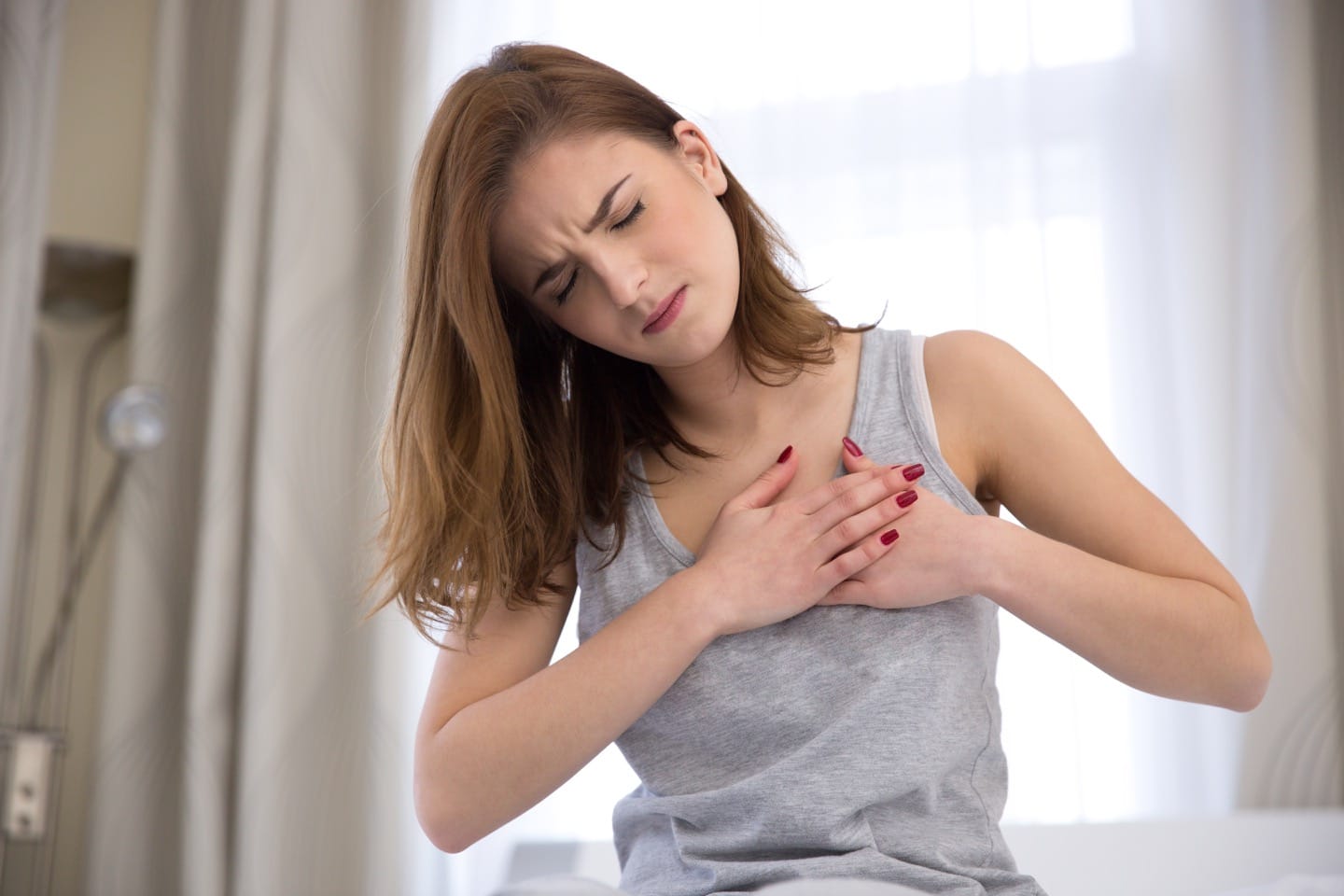
Heart disease is the leading cause of death for both women and men in America, and a heart attack occurs when the blood flow supplying the heart muscle with oxygen is reduced or blocked - because the arteries supplying the heart are severely constricted.
However, signs and symptoms can be anything but clear. In addition, men and women have very different symptoms. Chest pain, cold sweat, nausea, pain in the upper body, shortness of breath, nausea or dizziness are the symptoms that men and women may associate with a heart attack. None of these symptoms can occur in women. In women, symptoms are usually some of the following: Chest pressure, pain in arms, back, neck, jaw or abdomen, shortness of breath without chest discomfort. Or none of the above symptoms.
So what do we do? And what should we think of this enemy shrouded in uncertainty?
First, some statistics. According to the Centers for Disease Control and Prevention (CDC), about 610,000 people died of heart disease in the US in 2015. In addition, according to the CDC, almost two-thirds (64 percent) of women who suddenly die from coronary heart disease have no previous symptoms. Even if you have no symptoms, you may still be at risk of heart disease.
However, there are things that you can do. And you have to do. We all know preventive measures to avoid heart disease: Do not smoke, keep your cholesterol and blood pressure within normal limits, keep your weight healthy, exercise a lot, tame stress, sleep a lot, control your blood sugar level if you have diabetes.
But it is true that you can do all these things - and still be a risky person. I know that because I'm one of those people. I can mark every item on this list. But even though I have heart disease in my family, it doesn't seem to have been a problem for me. Why worry about that?
That's the reason: My story is a classic. I haven't dug snow, but after the March snowstorm I must have spent half an hour in the freezing cold scraping ice and snow from my car. When I was done, I got in my car to go to practice. But something's not right. I wasn't hurt, but I felt pressure in my chest. I was sure it would pass temporarily. I came to my class and the pressure was still there. Well, it was clear that I shouldn't be practicing. But besides that, what? I decided not to go to the E.R., but to call my cardiologist. (I had a cardiologist for a couple of years because my blood pressure was a little high. Nothing to worry about, he said.) Fortunately, my cardiologist is a doctor who listens. He told me to come to his office immediately.
The first thing he said: "This is not a good story." He did two standard heart tests: electroencephalogram (ECG) (normal) and echocardiogram (echo) (also normal). However, he wanted me to go to the emergency room. Just to be sure. He referred me to a hospital with a good cardiac ward. (By that time, the chest pressure had gone.)
The ER staff acted as usual: Draw blood, analyze for troponin levels (proteins used as markers for various heart diseases). Sadly, my troponin level was slightly elevated again. According to the ambulance doctor, this usually meant a heart attack. So they put me in the hospital.

The next morning at 7 a.m., my cardiologist was in my hospital room. "I am very surprised," he said. "You're not the right profile for a heart attack." His conclusion: "You're not the right profile for a heart attack: I needed an angiogram - an X-ray with special dye and a camera to map the blood flow in the arteries or veins and determine if there's a blockage. The angiogram was taken later in the day. Happy result: no blockages.
The cardiologist called the next morning at 7:00 a.m. "This is very good news," he said. "You have no coronary artery ischemic disease." My obvious question was, what happened next? "There must be a spasm, vasospasm, in your coronary artery," he said. "You're all right. If it happens again, I'll prescribe you medication so it won't happen again."
You may wonder what my story has to do with you or your heart health. Here are a few reasons:
Put your sensitivity to heart disease on the radar screen, like a family history or any other sign. You should be your best protector and watchdog.
Do not ignore any signals (such as, in my case, high and irregular blood pressure).
Talk to your cardiologist if you have any signs or symptoms. (My cardiologist was invaluable. If I had given up my symptoms without consulting him, the result might have been quite different).
Eighty percent of deaths from coronary heart disease can be prevented, according to the 2013 CDC report.
The symptoms of heart attack in women and men may be different and often misunderstood - even by some doctors.
The earlier you take action to protect your heart's health, the better.
Stay healthy....


